How to Avoid Repair Shop Scams: Experienced Mechanic's Guide to Checking Shock Absorbers and Suspension
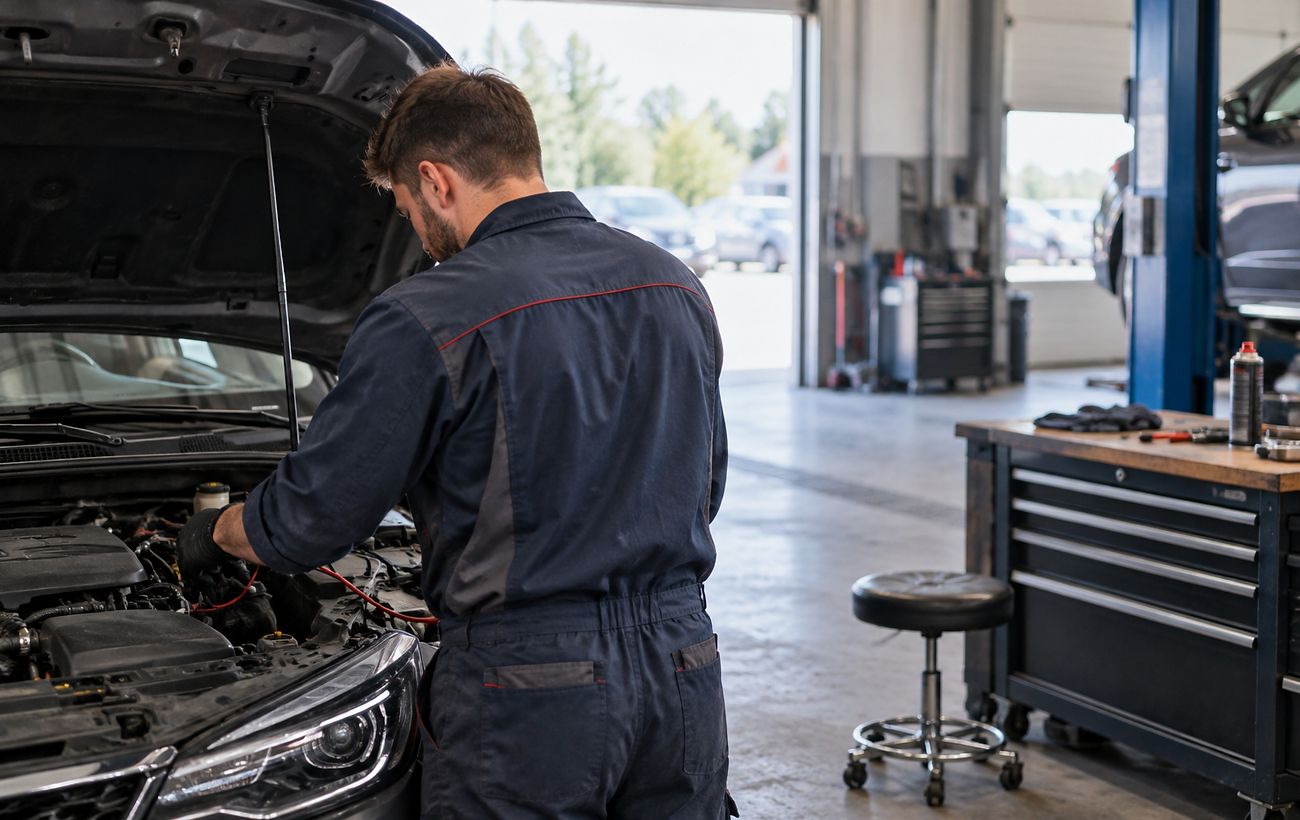
Car owners are frequently pushed into unnecessary repairs, particularly premature shock absorber replacements. A veteran mechanic shared how to self-diagnose suspension issues and guard against dishonest mechanics.
 🚌Transport
Photo: UNIAN
Key points
- Mechanics sometimes smear oil on shock absorbers to fake leaks and push unnecessary replacements.
- A simple bounce test and tire tread inspection can reveal true shock absorber condition.
- Checking wheel play while jacked up helps differentiate steering rod issues from ball joint wear.
Maintaining a vehicle is becoming increasingly expensive, making auto repair honesty a major concern for drivers. During routine service, car owners are often persuaded to replace parts that still have plenty of service life remaining. Shock absorbers are among the most common components used by unscrupulous technicians to inflate repair bills.
Veteran auto mechanic Scotty Kilmer highlights a common trick where dishonest repair shops apply oil to shock absorber dust boots to simulate a leak. This creates the illusion that the shock is failing. To protect against this scam, the expert advises taking clear photos of the suspension components inside the wheel wells using a phone flash right before dropping off the vehicle at the garage.
Simple Methods for DIY Diagnostics
Testing shock absorbers does not require complex diagnostic equipment. Drivers can simply push down hard on each corner of the vehicle. If the body bounces back once and stabilizes, the suspension is functioning properly. Continued bouncing indicates worn components. Other warning signs include front-end diving during braking and uneven tire tread wear.
While manufacturers often recommend replacing shock absorbers every 60,000 to 100,000 kilometers or every 5 to 7 years, replacement should be based on actual wear. Knocks over speed bumps do not always originate from shocks. Jacking up the car and checking for wheel play at the '3 and 9 o'clock' positions can identify steering tie rod issues, while play at '6 and 12 o'clock' points to failing ball joints.
Source UNIAN — unian.ua/curiosities/yak-pereviriti-amortizatori-mehanik-poyasniv-k… ↗
Read next
 ⚽Sport
Vinnytsia Honors Top Boxers Who Won Medals on the International Stage
The city boxing federation recognized the best athletes and their coaches for high achievements at the World and European championships.
 ⚽Sport
Vinnytsia boxer Sofiia Turbinina wins bronze at U23 European Championship
Ukrainian athlete Sofiia Turbinina secured a bronze medal at the European Boxing Championship for athletes under 23 in Croatia.
 💼Economy
Labor Shortage in Vinnytsia: Why High Salaries Do Not Solve the Specialist Deficit
The Ukrainian labor market, including Vinnytsia, faces an acute shortage of blue-collar and technical personnel. Despite high wages, employers struggle to fill vacancies …
 🇺🇦Ukraine
US Restricts Military Cooperation with Canada via Secret Pentagon Directive
US Defense Secretary Pete Hegseth has signed a classified memo limiting military ties with Canada, further straining bilateral relations.
 🛡️Security
Ukrenergo Introduces Emergency Power Outages in Five Regions Following New Russian Attack
Due to fresh damage to energy infrastructure in the Dnipropetrovsk region, Ukrenergo has applied emergency electricity restrictions across five Ukrainian regions.
 🩺Health
Body signals stress: Vinnytsia health experts explain the link between physical tension and anxiety
Specialists from the Vinnytsia Regional Center for Disease Control and Prevention explain why anxiety often manifests through physical symptoms and how to manage them.