Microplastics in water: scientists identify a new chemical threat
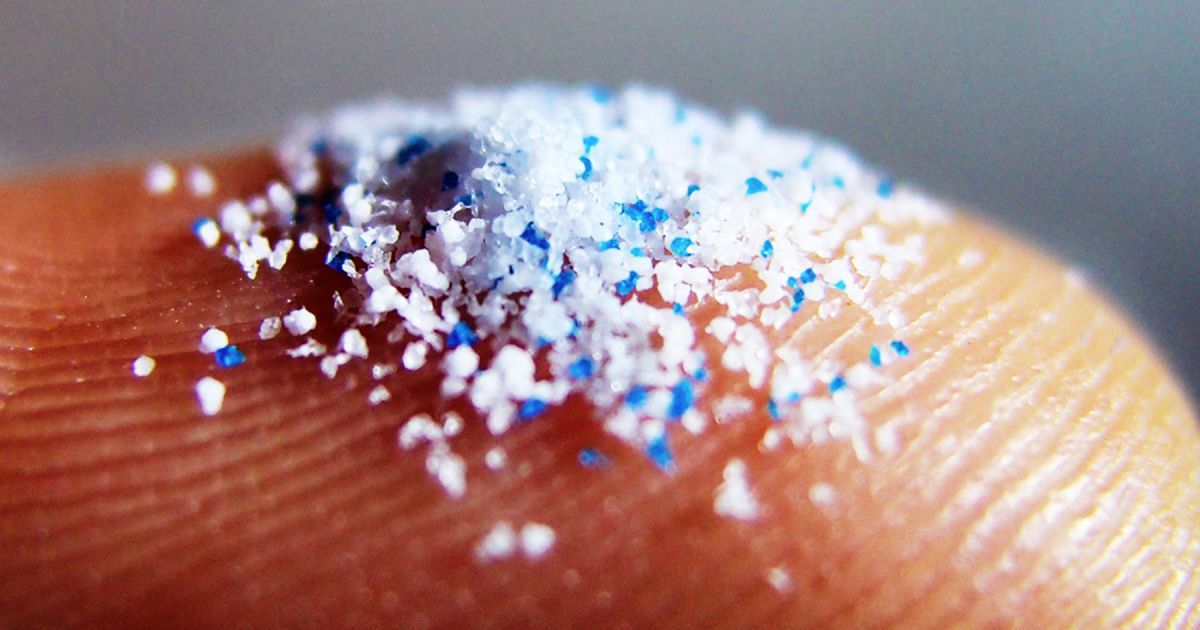
Researchers have discovered that microplastics are not just inert pollutants but actively react with water to form potentially harmful compounds.
 💡Tech
Photo: TSN
Key points
- Microplastics generate reactive oxygen species when in contact with water.
- Polyethylene and polypropylene were found to be the most reactive types.
- The chemical activity of plastic can damage cellular structures.
An international team of scientists from Columbia University and the University of California, Berkeley, has released findings that reshape our understanding of how microplastics impact the environment. It turns out that plastic particles are not merely inert debris but active chemical agents.
The mechanism of chemical activity
Upon contact with water, reactive oxygen species (ROS) are generated on the surface of microplastics. This process is driven by the material's hydrophobic properties, which create conditions for electron transfer. Polyethylene and polypropylene showed the highest activity, while PET and acrylic proved to be less reactive.
Laboratory experiments confirmed that these compounds can damage proteins and DNA. Specifically, tests on mouse red blood cells showed cell membrane destruction following interaction with polystyrene.
Household risks
Microplastics originate not only from the breakdown of large waste but also from washing synthetic fabrics and industrial processes. In everyday life, the risk increases when heating plastic containers in microwaves or storing water in direct sunlight for long periods, which accelerates material degradation.
Source TSN — tsn.ua/zdorovya/mikroplastyk-vyiavyvsia-nebezpechnishym-niz-vvazaly-shc… ↗
Read next
 🚨Events
Russian Vessel Sparta II Continues to Burn in the Gulf of Finland Following Ukrainian Drone Strike
Finnish emergency services are continuing efforts to extinguish a fire on the Russian cargo ship Sparta II after it drifted into Finland's territorial waters.
 🚨Events
Inter-agency standoff: NABU investigates SBU Alpha operators over seized search funds
The National Anti-Corruption Bureau has initiated proceedings against Alpha special forces over the seizure of $25,000 during last year's searches.
 🚨Events
Vnytsia resident who survived the Officers' House strike opens successful business
The inspiring story of a Vinnytsia woman who overcame severe burns from a 2022 missile strike to build a thriving business making Japanese sweets.
 🚨Events
Nighttime Attack on Kyiv Region: Search Underway for Missing Residents After Dymar Strike
As a result of an enemy drone attack on the town of Dymar in the Kyiv region, an apartment building was damaged, with 14 people currently unaccounted for.
 🚨Events
How to Style Your Christmas Tree This Year: Top Festive Trends
With winter holidays approaching, experts have shared the main trends for decorating holiday trees, focusing on elegance and nostalgic touches.
 🚨Events
The Art of Repair: Why Everyday Maintenance Has Become the Ultimate Challenge for Communities
An analytical reflection on the culture of repair, infrastructure resilience, and the invisible labor keeping Ukrainian cities running during wartime.